How Cracks in Concrete Foundations Affect Structural Stability
Local contractors specializing in concrete foundation crack repair can assess and fix cracks to help maintain your home's structural stability and prevent further damage.
Understanding how cracks in concrete foundations affect structural stability is essential for property owners who want to protect their investments. Over time, small cracks can develop into larger issues that compromise the integrity of a building’s foundation, potentially leading to uneven settling, structural shifts, or even more serious damage. For those living in the area, recognizing the signs and knowing when to seek professional help can make a significant difference in maintaining safety and avoiding costly repairs down the line.
Property owners exploring this topic will find that local contractors specializing in foundation crack repair offer practical solutions tailored to specific needs. These service providers can assess the severity of cracks, determine their impact on the overall stability of the structure, and recommend appropriate repair methods. Continuing to learn about how cracks in concrete foundations affect structural stability can empower property owners to take timely action and connect with experienced professionals capable of addressing these concerns effectively.
- Concrete foundation crack repair services are needed when cracks threaten the overall stability of a structure and local contractors assess the severity to determine appropriate solutions.
- When signs of shifting or widening cracks appear in a foundation, local service providers evaluate the extent of damage and implement stabilization techniques to prevent further issues.
- For foundations exhibiting evidence of settling or unevenness, local pros can perform targeted repairs to restore integrity and reduce the risk of future structural problems.
- Cracks caused by soil movement or moisture intrusion require expert assessment from local contractors who can recommend effective repair methods to maintain foundation stability.
- In cases where cracks compromise load-bearing areas, local service providers prioritize structural reinforcement to ensure the long-term safety of the building.
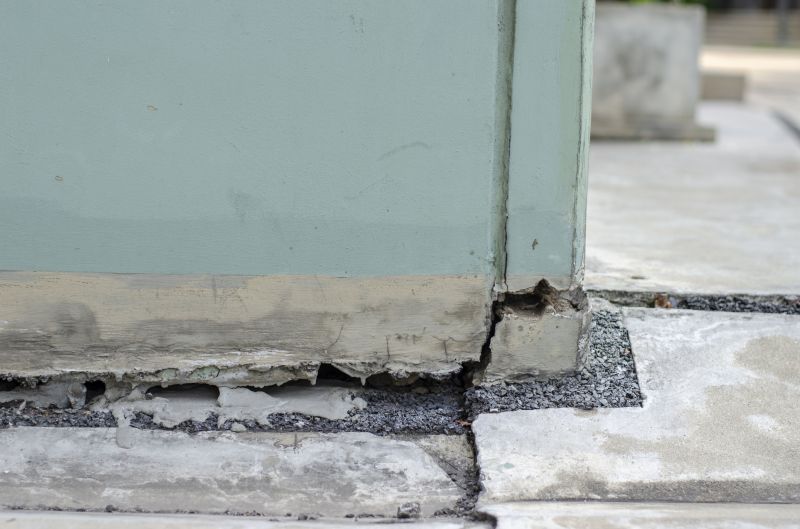
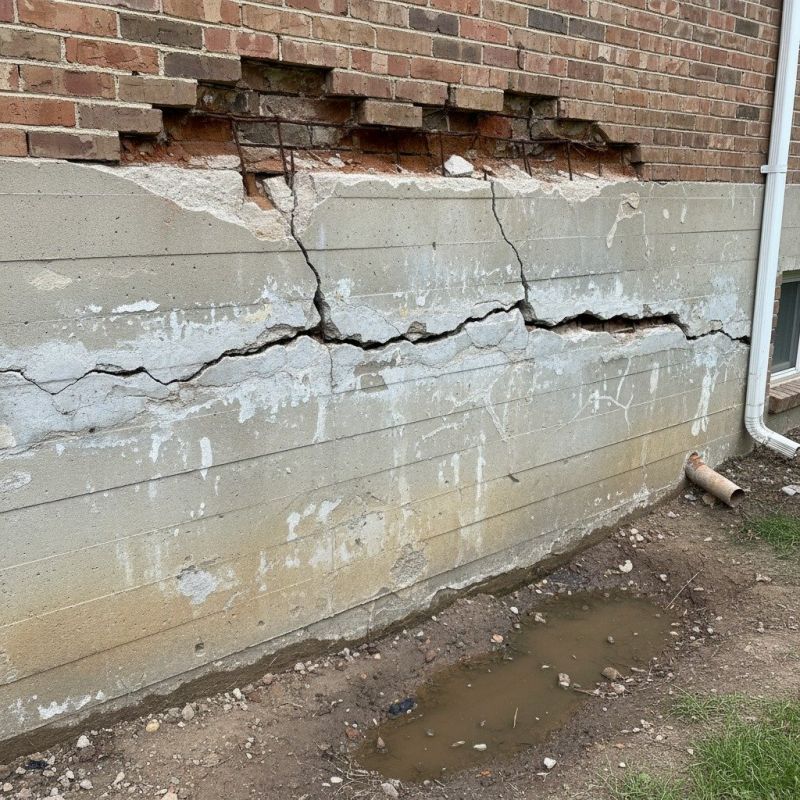
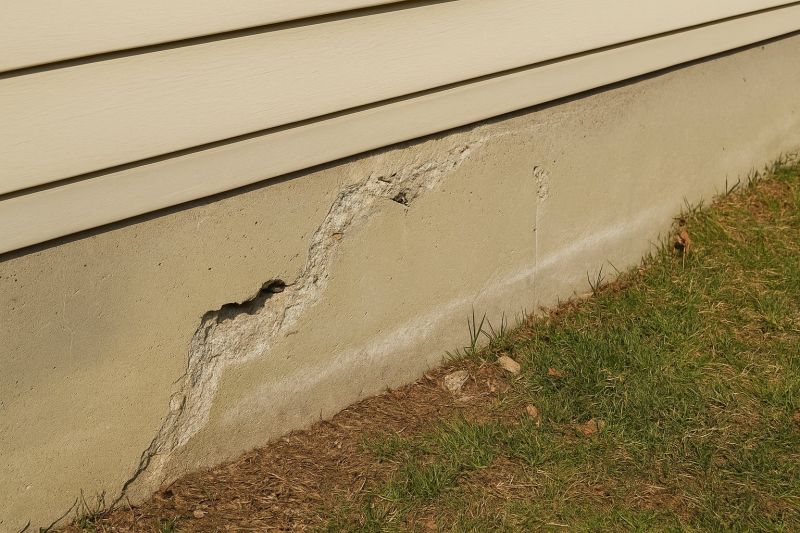
When homeowners search for information on how cracks in concrete foundations affect structural stability, they are usually concerned about the safety and longevity of their property. This topic often comes up when visible cracks appear in basement walls or foundation slabs, prompting questions about whether these signs indicate serious issues. People want to understand if the cracks are superficial or if they signal deeper problems that could compromise the building’s ability to support the weight of the structure. Recognizing the difference is crucial, as it influences decisions about repairs and whether professional assessment is needed to prevent further damage.
The concerns related to cracks in concrete foundations typically involve potential problems such as uneven settling, shifting soil, or moisture intrusion. These issues can cause cracks to widen or multiply over time, which may lead to structural instability if left unaddressed. Homeowners often consider plans for repairs or reinforcement, especially if cracks are accompanied by other signs like sticking doors, uneven flooring, or water leaks. Understanding how these cracks develop and how they impact the overall stability of the property helps homeowners prioritize repairs and seek appropriate solutions from experienced local contractors.
Certain types of properties are more prone to foundation cracks and their effects on stability. These include homes built on expansive clay soils, structures with poor drainage, or those located in areas with significant soil movement. Basement foundations, concrete slabs, and retaining walls are common elements that may develop cracks due to shifting ground or temperature changes. When evaluating properties, homeowners should be aware of these factors, as they influence the likelihood of cracks affecting the building’s stability. Local service providers specializing in concrete foundation crack repair are equipped to assess these conditions and recommend the most effective solutions to restore structural integrity.
Understanding how cracks in concrete foundations affect structural stability highlights the importance of timely inspection and repair. While some cracks may be minor and not immediately threatening, others can indicate serious issues that require professional intervention. Local contractors who specialize in foundation crack repair can evaluate the severity of the damage, identify underlying causes, and implement appropriate fixes to prevent further deterioration. Homeowners should consider these experts as part of their plan to maintain a safe, stable property, ensuring that foundation issues are addressed before they lead to costly or dangerous consequences.
Foundation Inspection Services - Professionals specializing in foundation inspections can identify cracks that may impact structural stability and recommend appropriate repair strategies.
Structural Repair Contractors - These contractors have experience in addressing cracks and other issues that compromise the integrity of concrete foundations.
Concrete Repair Services - Experts in concrete repair can fix cracks and prevent further damage that could affect the overall stability of a building’s foundation.
Basement Waterproofing Projects - Waterproofing specialists often work with foundation cracks to prevent water intrusion, which can weaken foundation structure over time.
Soil Stabilization Services - Soil stabilization professionals help ensure proper support for foundations, reducing the risk of cracks caused by shifting or settling soil.
Drainage System Installation - Proper drainage installation by local contractors can mitigate water-related foundation issues that lead to cracks and structural concerns.
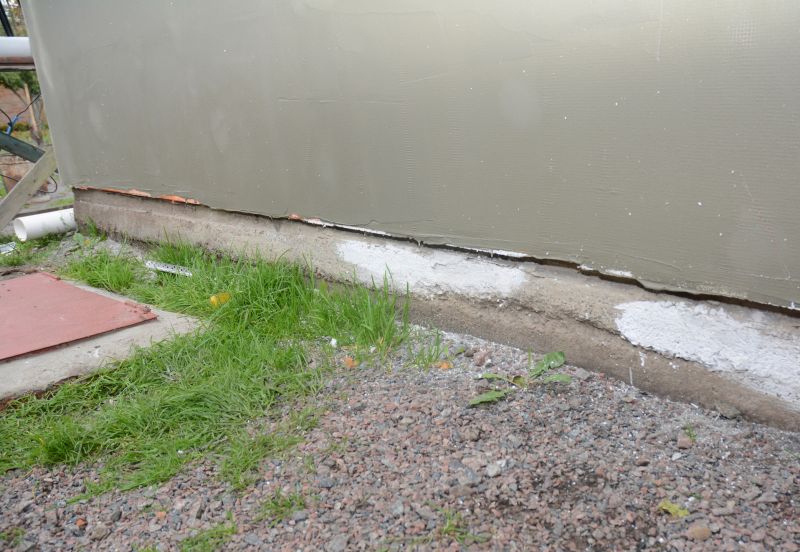
When comparing service providers for concrete foundation crack repair, it is important to consider their experience with similar projects. Homeowners should seek contractors who have a history of addressing foundation cracks and understanding how these issues can impact structural stability. An experienced local contractor will be familiar with common causes of cracks, such as settling or shifting, and will be able to evaluate the severity of the damage accurately. This background can help ensure that the repair methods employed are appropriate for maintaining the long-term stability of the foundation.
Clear, written expectations are essential when evaluating potential service providers. Homeowners should look for contractors who provide detailed descriptions of the scope of work, including assessment procedures, repair techniques, and post-repair recommendations. Having this information in writing helps prevent misunderstandings and allows homeowners to compare the approaches of different local contractors more effectively. It also provides a record of what was agreed upon, which can be useful if questions or concerns arise later in the process.
Reputable references and good communication are key factors in choosing a reliable contractor. Homeowners are encouraged to ask for references from previous clients who had similar foundation issues. Speaking with past customers can provide insights into the contractor’s professionalism, quality of work, and how well they communicated throughout the project. Effective communication ensures that homeowners stay informed about progress, understand the repair process, and can address any questions or concerns promptly. Selecting a service provider who demonstrates transparency and responsiveness can contribute to a smoother repair experience and help protect the structural integrity of the foundation.
Property owners often search for how cracks in concrete foundations affect structural stability when they are planning practical projects around their homes and businesses. Local pros provide Concrete Foundation Crack Repair services for everyday jobs and straightforward project options.
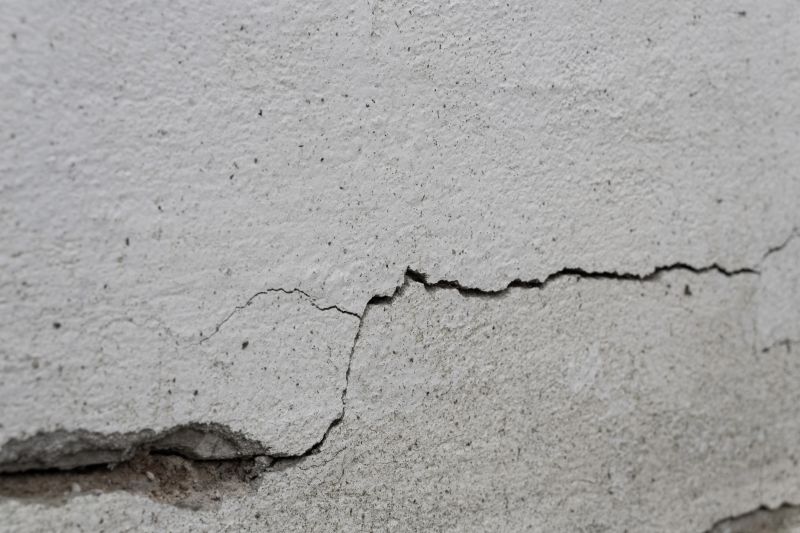
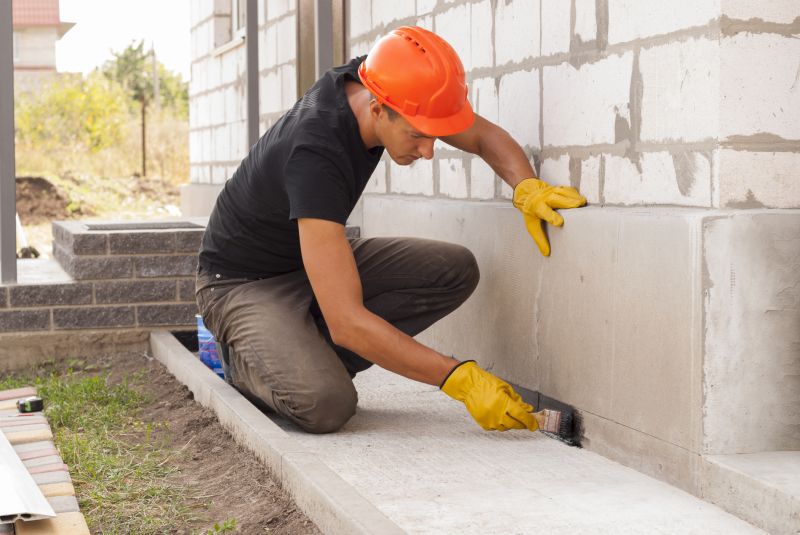
Cracks in concrete foundations are a common concern for property owners, especially in areas where shifting soil or temperature changes can cause the ground to move. These cracks, whether small or large, can impact the overall stability of a structure by allowing moisture intrusion or indicating underlying issues that may worsen over time. Homeowners often look into this topic after noticing visible cracks or experiencing uneven floors, as these signs can suggest potential risks to the building’s safety and long-term durability. Local contractors who specialize in foundation repair can assess the severity of these cracks and recommend appropriate solutions to help maintain the stability of the property.
Understanding how cracks in concrete foundations affect structural stability is important for property owners seeking to protect their investment. In many cases, early intervention by experienced service providers can prevent minor issues from developing into more serious problems that compromise the entire structure. Local professionals can offer various repair methods tailored to the specific type and extent of cracks, helping to reinforce the foundation and prevent further damage. Consulting with qualified local contractors ensures that cracks are properly evaluated and addressed, supporting the safety and integrity of the building for years to come.
How do cracks in concrete foundations impact structural stability? Cracks can weaken the foundation's integrity, potentially leading to uneven settling or further damage that compromises the overall stability of a building. Local contractors can assess the severity of cracks and recommend appropriate repair options to maintain structural safety.
Can small cracks in a concrete foundation affect its stability? Yes, even small cracks can indicate underlying issues that may worsen over time, risking the foundation’s stability. Experienced service providers can evaluate these cracks and determine whether repairs are needed to prevent future problems.
What types of cracks are most concerning for foundation stability? Vertical or diagonal cracks that are wide or growing are often more concerning, as they can signal shifting or movement in the foundation. Local pros can identify the cause of these cracks and suggest suitable repair solutions to restore stability.
How do cracked foundations influence the safety of a building? Cracks in the foundation can lead to structural weaknesses, increasing the risk of walls or floors becoming unstable. Service providers can perform evaluations and repair work to help ensure the safety and stability of the structure.
When should cracks in a concrete foundation be repaired to protect structural stability? Cracks should be repaired as soon as they are noticed, especially if they are wide, deep, or worsening, to prevent further deterioration. Local contractors can provide repair services to help preserve the foundation’s stability over time.
Assessing foundation cracks - Property owners can identify early signs of cracks in concrete foundations and seek advice from local contractors on repair options to maintain structural stability.
Prioritizing repairs - Recognizing how cracks in concrete foundations affect structural stability helps property owners determine when professional repair services are necessary to prevent further damage.
Choosing repair methods - Understanding the impact of foundation cracks enables property owners to work with local service providers to select appropriate repair techniques for long-term stability.
Preventing future issues - Planning regular inspections and timely repairs with local contractors can help property owners address cracks before they compromise the foundation’s integrity.
If you are thinking about how cracks in concrete foundations affect structural stability for a property, this guide is meant to help you understand this topic, the typical project types, and how different options might fit your plans.
When you are ready, you can use the quote form on this page to share a few details about your project. From there, local pros can review the basics and follow up with options that match what you have in mind.